


Hokkaido, Japan
Lily Shi, Harker Aquila Editor-in-Chief
Hokkaido was another world.
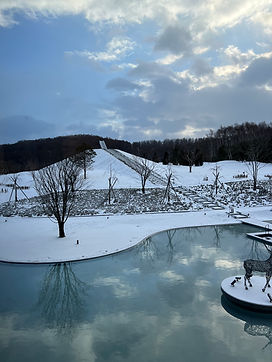
In the harbor city of Hakodate, snow fell thick onto wide, quiet roads and settled between sparse buildings. Steam curled from distant white mountains where hot springs blurred into the sky, while a dense forest of black tree trunks emerged from the snow outside our hotel.
I had visited Japan’s urban cities like Tokyo before, but Hakodate felt almost mythical, as though it existed slightly outside of reality.
As I walked along the streets with my family, we passed churches and public buildings with European architecture standing alongside everyday Japanese storefronts, reminders of Hakodate’s past as one of Japan’s first international ports. We wandered through the Kanemori Red Brick Warehouses, former trading centers now filled with shops and vendors selling exotic sweets and crafts. I’d always imagined Japan’s culture as distinct and self-contained, but here, foreign influence was simply part of everyday life.
We returned to Hakodate Morning Market several times, drawn by the vendors who sliced seafood in the icy air. We ducked into donburi shops lining the aisles, devouring bowls piled high with sweet shrimp, scallops and uni, the freshest seafood I’ve ever had. Shaped by the region’s cold climate, each ingredient tasted remarkably flavorful and clean.
After three days in Hakodate, we drove to Sapporo, the capital of Hokkaido,and it felt like reentering city life. The large shopping centers and flashing ads were familiar from other cities I’d visited, but the snow softened busy streets. Our hotel opened directly onto Tanukikoji Shopping Street, and we spent hours exploring the covered corridor packed with restaurants, convenience stores and vintage shops. Stepping out of our hotel felt like entering a lively outdoor resort, always warm and alive right outside our door.
Hokkaido’s food scene lived up to its reputation. We tasted fragrant soup curry bursting with spice, sizzling “Genghis Khan” barbecue and rich miso ramen. The region’s famous milk and ice cream was remarkably creamy, and somehow even the potatoes were unforgettable. The striking flavors and textures reflected influences beyond what I associated with Japanese food, broadening my understanding of the cuisine’s regional diversity.
From Hakodate to Sapporo, the island is known for its hot springs, so we had to try an outdoor onsen. Soaking in the steaming water as icy air and falling snow surrounded me felt surreal, like a moment suspended in time.
We stopped in Tokyo briefly on the way home, and the contrast was striking. After Hokkaido’s expansiveness and quiet, Tokyo’s packed streets and perpetual movement felt intensified. Experiencing both reframed my perception of Japan as not a single cultural experience, but a mosaic of regions, each shaped by distinct climates, histories and rhythms of life.

